New Delhi


Bajaj Auto Slapped With Rs 34.73 Crore GST Tax Demand
Bajaj Auto has been ordered by the Deputy Commissioner of Rudrapur to pay a demand of Rs 34.73 crore and a penalty of Rs 3.47 crore due to the alleged misclassification of spare parts. Tax authorities argue that these parts should be classified as automobile parts, given Bajaj's role as a vehicle manufacturer. The company, which has used the same classification method for over thirty years, plans to contest the order legally, asserting it won't significantly impact its finances or operations.

Keshav Rajput
Updated Dec 5, 2025, 08:57 AM IST
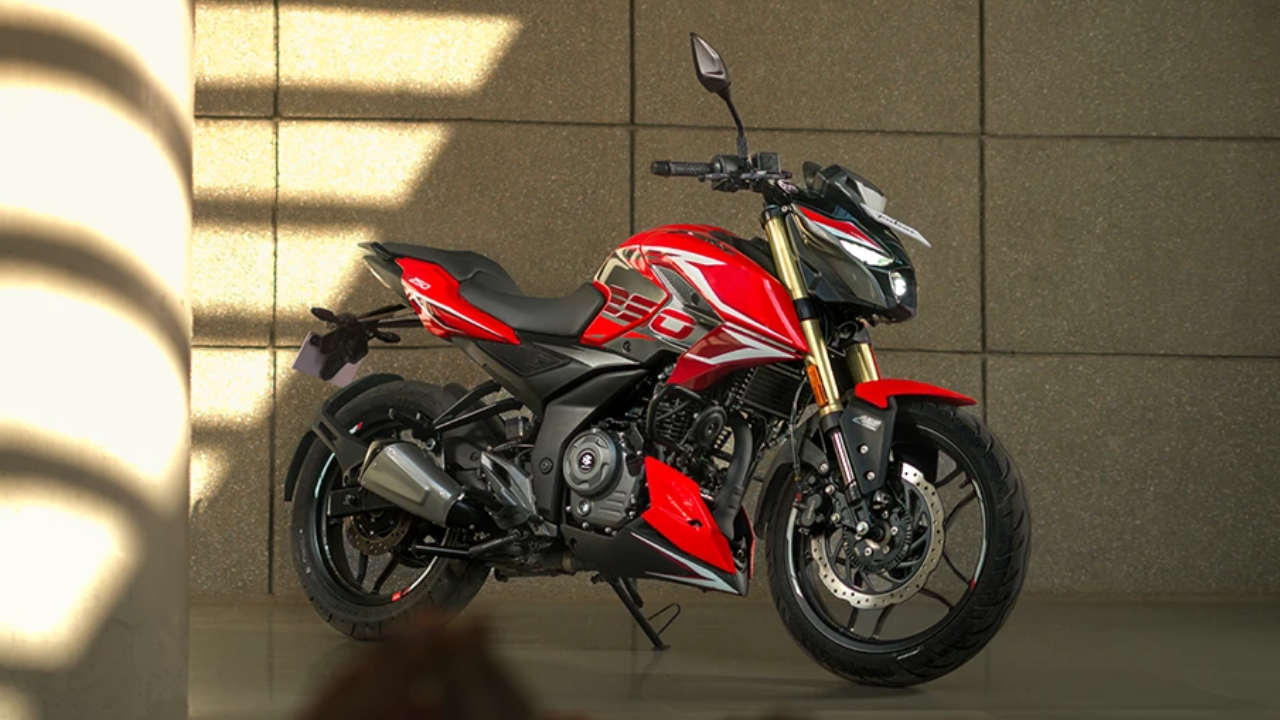
Bajaj Auto Slapped With Rs 34.73 Crore GST Tax Demand
In a recent regulatory filing, Bajaj Auto said that they have received an order from the Deputy Commissioner, Rudrapur, under Section 73 of the Central Goods and Services Tax (CGST) Act, 2017.

People Also Search
What were the details of the previous GST demand notice received by Bajaj Auto before the recent one?
How does Bajaj Auto's situation compare to other automakers like TVS Motor and Hyundai regarding GST demands?
What impact do recent GST reforms have on the automotive market, particularly for Bajaj Auto?
What legal actions are other companies taking in response to GST demands similar to Bajaj Auto's situation?
What are the implications of tax classification disputes for the automotive industry in India?
Tax Demand and Penalty Details
According to the order, the tax department has raised a demand of Rs 34.73 crore. In addition to this, a penalty of Rs 3.47 crore has also been imposed. The demand relates to the alleged misclassification of spare parts supplied by Bajaj Auto.
Reason Cited by Authorities
Tax authorities have stated that since Bajaj Auto is a vehicle manufacturer, the spare parts supplied by the company are customised for use in vehicle manufacturing. Based on this view, the authorities have classified these parts as automobile parts instead of their existing category. This reclassification forms the basis for the revised tax demand and penalty.
Company’s Stand on the Matter
Bajaj Auto has stated that it has been following the same classification method for over three decades. The company said its classification is based on general rules of interpretation, section notes, chapter notes, and HSN explanatory guidelines. The company also referred to past judicial precedents to support its position.
Legal Action and Financial Impact
The order can be challenged under the law, and Bajaj Auto has said it will take legal action. The company also said it does not expect this order to affect its finances, operations, or business in any major way.




Log in to post a comment.
End of Article
Trending

Hero Xpulse 421 Teased Ahead of EICMA 2026 Debut; India Launch Expected in 2027

Hyundai Registers Over 16 Percent Growth in Car Sales for October 2026

Mahindra Posts Over 2 Percent Growth in Monthly Car Sales for October 2026

Maruti Suzuki Records Over 20 Percent Growth in Car Sales for October 2026

New Mini Cooper SE India Launch on November 27: Expected Price, Range, Battery, Features and More

Toyota Innova Hycross Facelift Launched in Indonesia, India Debut Expected Soon

Range Rover SV Sawai Collection Unveiled in India at Rs 4.90 Crore
Popular





STAY UPDATED Get the latest news from Times Drive