New Delhi


Brake the Habit- Unblucked Passengers are a Crash Missile
Many people automatically buckle up in the front seat but neglect doing so in the back, which poses significant dangers. Back-seat passengers, often perceived as safer, face risks from unrestrained movement during a crash, acting like projectiles that can harm themselves and front-seat occupants. Wearing seatbelts in all seats is crucial for personal safety and protecting others. A properly buckled rear passenger contributes to the overall effectiveness of a vehicle's safety system, making it essential to prioritize seatbelt use throughout the car.

Times Drive Desk
Updated Nov 3, 2025, 10:23 AM IST
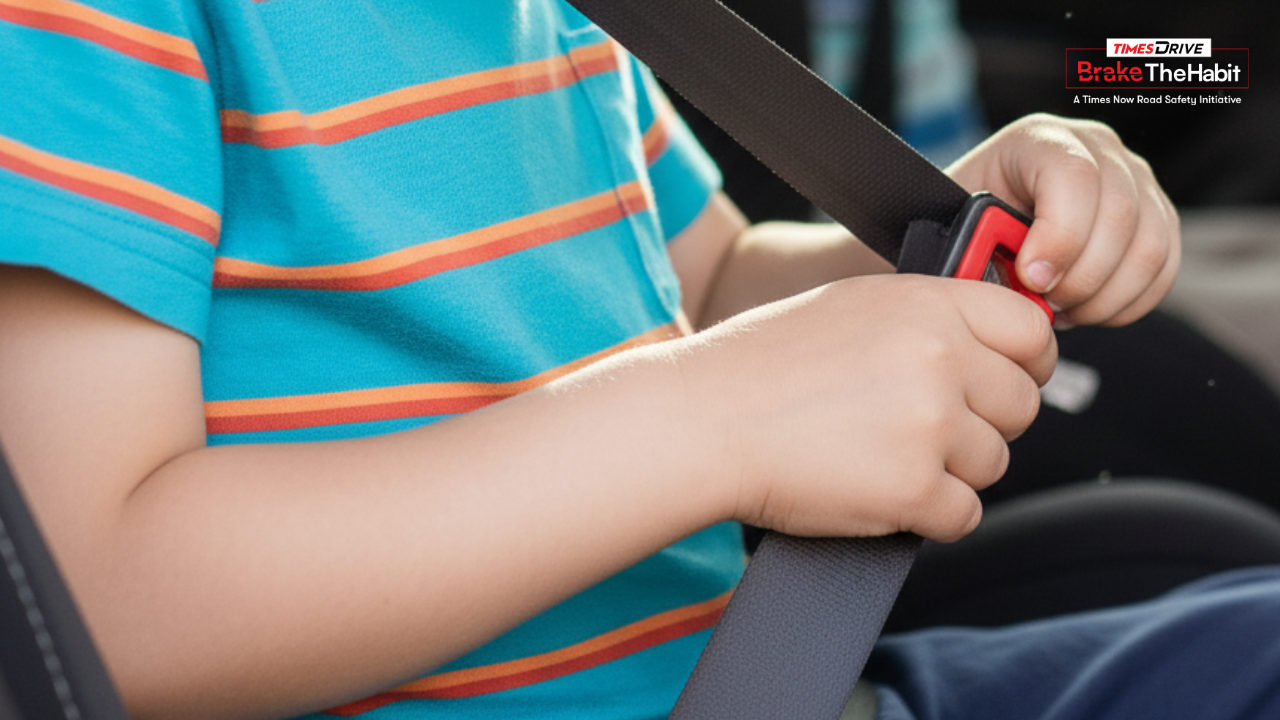
Brake the Habits: Unblucked Passengers are a Crash Missile
The click of the seatbelt in the front seat is often automatic—a habit drilled into most drivers and front passengers. But when you move to the back seats of an SUV, minivan, or sedan, that crucial action can sometimes be overlooked. This dangerous oversight is a habit we urgently need to ‘Brake the Habit’ of, because when it comes to a car crash, the laws of physics don't offer special protection to those in the second or third row.

People Also Search
What are some common misconceptions about the safety of back-seat passengers in vehicles?
How can wearing a seatbelt reduce the risk of injury in a crash?
What are the risks associated with not using seatbelts in the back seat?
Why is it important to ensure all passengers, including children and teens, are buckled up?
What role does the 'Brake the Habit' campaign play in promoting seatbelt use?
The Myth of Back-Seat Safety
A common misconception is that the back seats are inherently the safest place in a vehicle, making seatbelts less critical. While it is true that front passengers face risks from the steering wheel, dashboard, and airbag deployment, the reality is that any unbelted occupant is a missile in a collision.
During a crash, the vehicle abruptly stops, but one's body continues to move forward at the speed the vehicle was travelling. This is due to inertia. If you are unbelted in the back seat, this force will propel you violently forward, turning you into a devastating hazard for yourself and for everyone else in the car.
The Dual Danger of Unbelted Back-Seat Passengers
Wearing a seatbelt in the second or third row is an incremental step that provides two major layers of protection:
Protecting Yourself
Your seatbelt is your lifeline. It is engineered to distribute the massive forces of a crash across the strongest parts of your body—the pelvis and shoulder—preventing you from hitting the seat in front of you, the interior roof, or being ejected from the vehicle. Ejection is one of the most lethal outcomes in a crash. Studies consistently show that wearing a seatbelt significantly reduces the risk of serious injury or death for back-seat passengers.
Protecting Front-Seat Passengers
This is the critically overlooked danger. An unbelted adult in the rear can strike the back of a front-seat occupant with a force equivalent to that of an elephant's kick, or even that of a small car. In a 48.2 kmph head-on collision, an average 72.5 kg person is thrown forward with a force of several tons. This impact can crush the spinal cord, break ribs, or cause severe head trauma to the person sitting in front of them, turning a survivable crash for the driver into a fatal one. The safety of the front passengers literally depends on the rear passengers buckling up.
Also Read
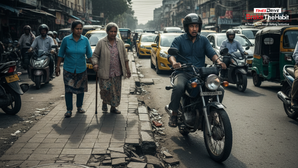
The Seatbelt: A Full-Vehicle Safety System
Modern cars are designed as a complete safety system, with seatbelts, airbags, and crumple zones working in concert. If a passenger in any row is not properly restrained, it compromises the effectiveness of the entire system.
By ensuring everyone—children, teens, and adults—buckles up in the second and third rows, you are not just complying with the law; you are completing the vehicle safety design. 'Brake the Habit' encourages you to extend that front-seat discipline to every seat in your vehicle.
Log in to post a comment.
End of Article
Trending
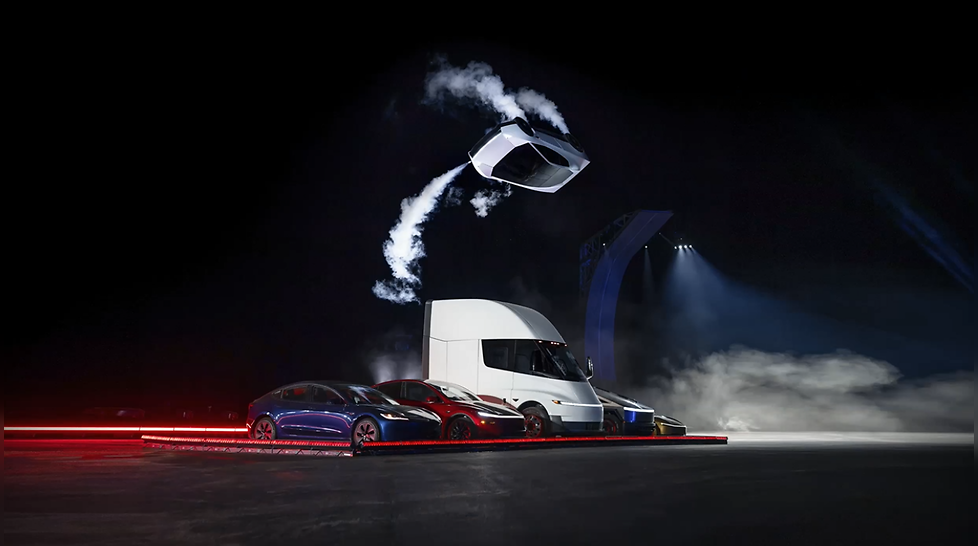
Flying Car: Tesla Reveals New Roadster with Mind-Bending SpaceX Technology
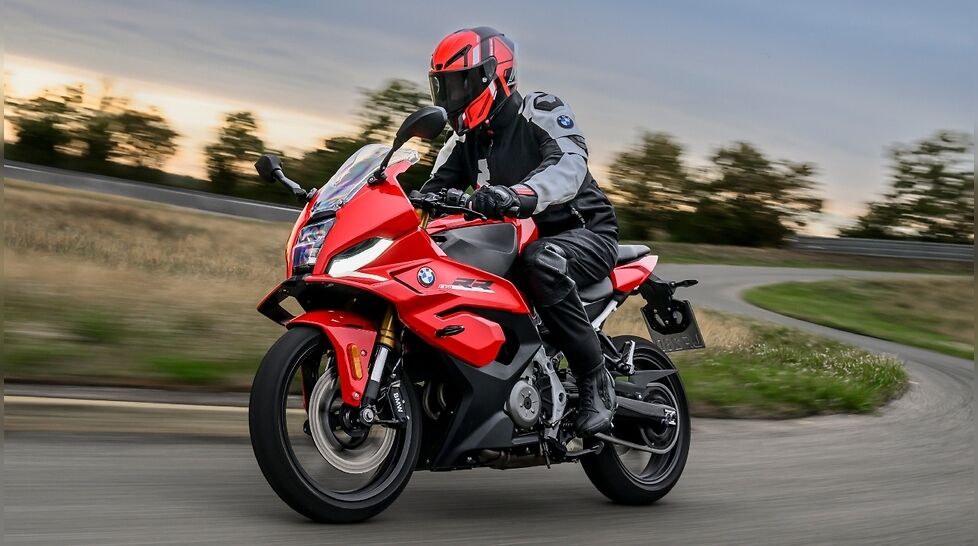
BMW F 450 RR Revealed: Gets 48hp Engine, Sporty Design and Advanced Safety Features
Maruti Suzuki Brezza Facelift Crosses 1 Lakh Bookings in India
BS7 Emission Norms Proposed for April 2029: What Can Change for Cars in India?

Maruti Suzuki Brezza Crosses 15 Lakh Sales Milestone in India
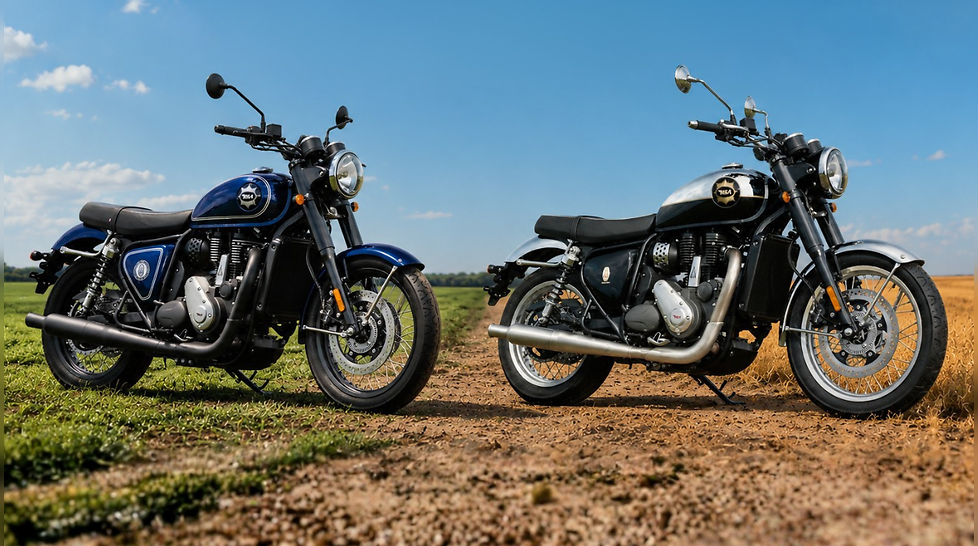
BSA Gold Star 650 Gets Two New British Heritage-Inspired Colour Options in India
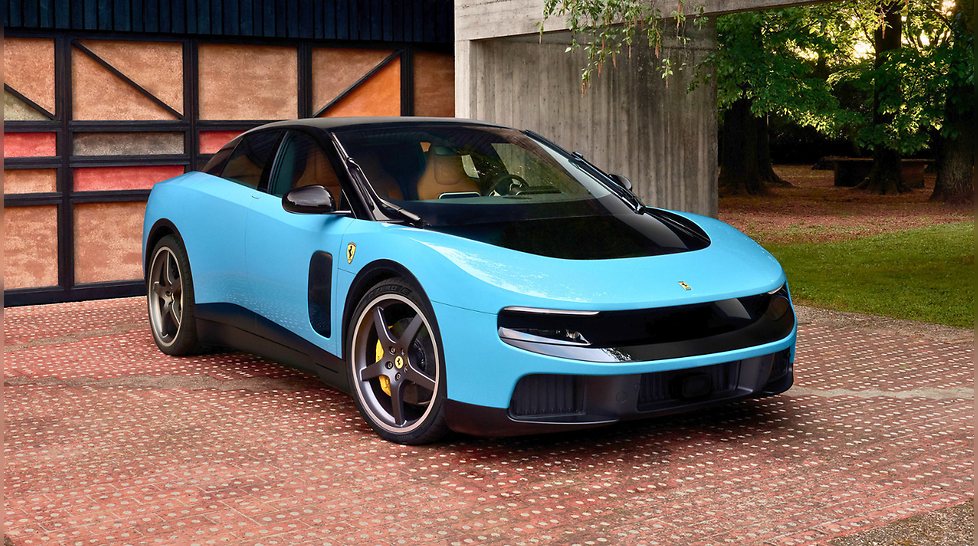
Ferrari Luce EV to Debut in India on October 17 with 1,050PS Power and 530 km Range
Popular





STAY UPDATED Get the latest news from Times Drive