New Delhi


IEC 2025: Hyundai is India’s biggest cumulative auto exporter, says Tarun Garg
Hyundai Motor India has become the largest exporter of passenger vehicles in the country, highlighting India's role as a key manufacturing hub for the company. Since 1996, exports have been essential to Hyundai's growth strategy, with 21% of production currently exported to markets like Africa and Latin America. The company aims to boost this to 30% by 2030, driven by high localisation levels of 81%. Hyundai is also enhancing R&D in India and aligning with automotive industry transitions, reinforcing the country as a global manufacturing base.
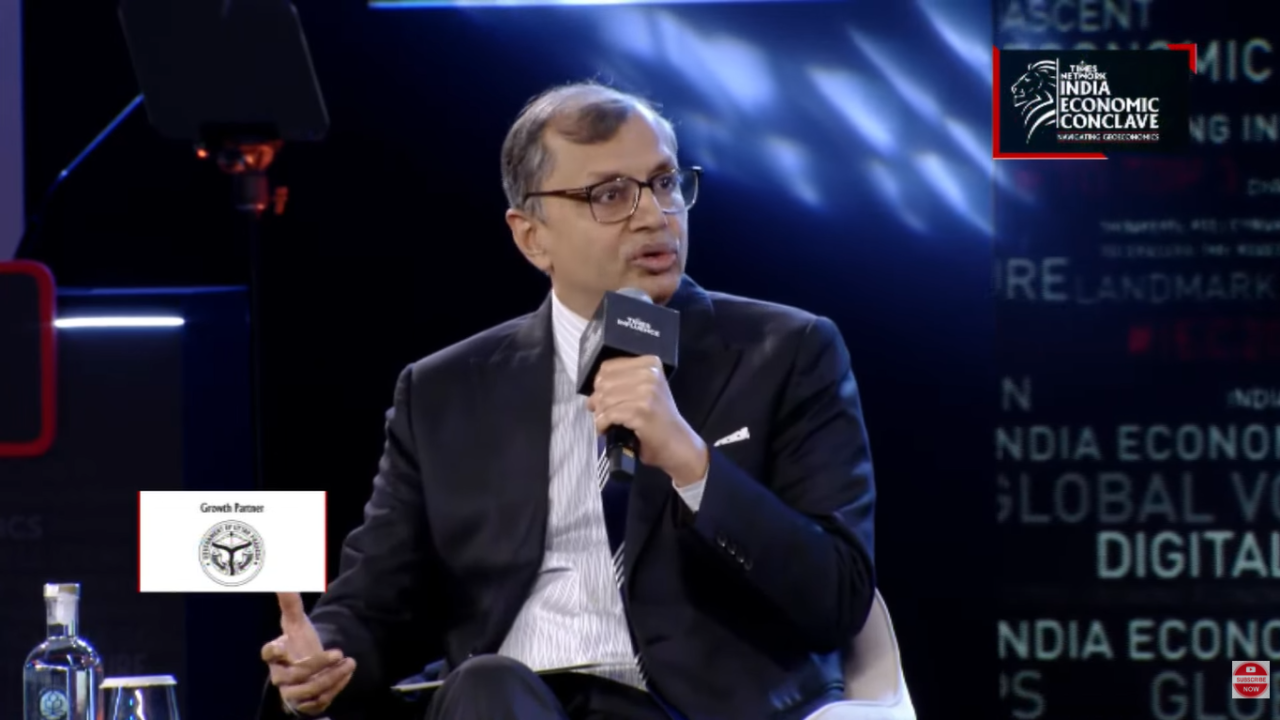
Tarun Garg, Whole-Time Director and Chief Operating Officer, Hyundai Motor India

People Also Search
Hyundai Motor India Limited has exported over 3.7 million passenger vehicles to more than 150 countries since commencing exports in 1999. In 2024 alone, the company exported 158,686 vehicles, with significant markets including Saudi Arabia, South Africa, and Mexico. This achievement reflects the company's strong global presence and the increasing trust in Indian manufacturing.
Hyundai Motor India has noted a significant shift towards SUVs, which now comprise 69% of its total sales in FY25, up from 63% the previous year. This reflects a strategic focus on expanding its SUV portfolio, including the introduction of new models and enhancing existing ones to meet consumer preferences.
Hyundai plans to invest Rs 45,000 crores in India by FY2030, focusing on product expansion, manufacturing, and localization. This investment aligns with Hyundai's vision to make India a global export hub and includes plans for 26 new product launches, enhancing its presence in the Indian market.
Hyundai's localization strategy aims to increase the percentage of locally sourced components from 81% to nearly 90%. This move is intended to enhance cost competitiveness and minimize the risks associated with global supply chain disruptions, while also ensuring that Indian auto components meet international quality standards.
The Hyundai i10 has achieved over 3.3 million cumulative sales globally, with more than 1.3 million units exported to over 140 countries. Its high localization rate of over 91% for both domestic and export markets showcases Hyundai's commitment to leveraging Indian manufacturing capabilities to meet global demand.
Hyundai India's exports
A focus on supply chain ecosystem
Log in to post a comment.
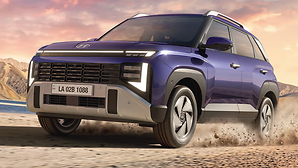
Hyundai Venue Price in India
Hyundai Venue Comparison With Similar Cars
- Popular Cities
- Similar Brands
Kia Sonet₹ 7.30 Lakh - ₹ 14.09 Lakh
Mahindra Bolero Neo₹ 9.94 Lakh - ₹ 12.15 Lakh
Toyota Taisor₹ 7.21 Lakh - ₹ 12.06 Lakh
Nissan Magnite₹ 5.61 Lakh - ₹ 10.75 Lakh
Mahindra Thar₹ 9.99 Lakh - ₹ 16.98 Lakh
Hyundai Exter₹ 5.68 Lakh - ₹ 9.61 Lakh
MG Astor₹ 9.65 Lakh - ₹ 16.23 Lakh
Tata Nexon₹ 7.31 Lakh - ₹ 14.05 Lakh
Mahindra XUV 3XO₹ 7.28 Lakh - ₹ 14.39 Lakh
Trending

BMW F 450 RR Revealed: Gets 48hp Engine, Sporty Design and Advanced Safety Features

Maruti Suzuki Brezza Facelift Crosses 1 Lakh Bookings in India
BS7 Emission Norms Proposed for April 2029: What Can Change for Cars in India?

Maruti Suzuki Brezza Crosses 15 Lakh Sales Milestone in India

BSA Gold Star 650 Gets Two New British Heritage-Inspired Colour Options in India
Ferrari Luce EV to Debut in India on October 17 with 1,050PS Power and 530 km Range

Mahindra XUV 3XO CNG Launched in India: Top 5 Highlights
Popular





STAY UPDATED Get the latest news from Times Drive