New Delhi


Maruti Suzuki Baleno Facelift Launched: Top 5 Highlights
Maruti Suzuki has launched the updated Baleno facelift in India, starting at Rs 6.10 lakh, offering a more striking design and enhanced technology. The new model replaces the four-cylinder engine with a lighter, more fuel-efficient three-cylinder variant.

Syed Wahab Ali
Updated Sep 5, 2026, 08:40 PM IST
Maruti Suzuki Baleno Facelift Launched: Top 5 Highlights
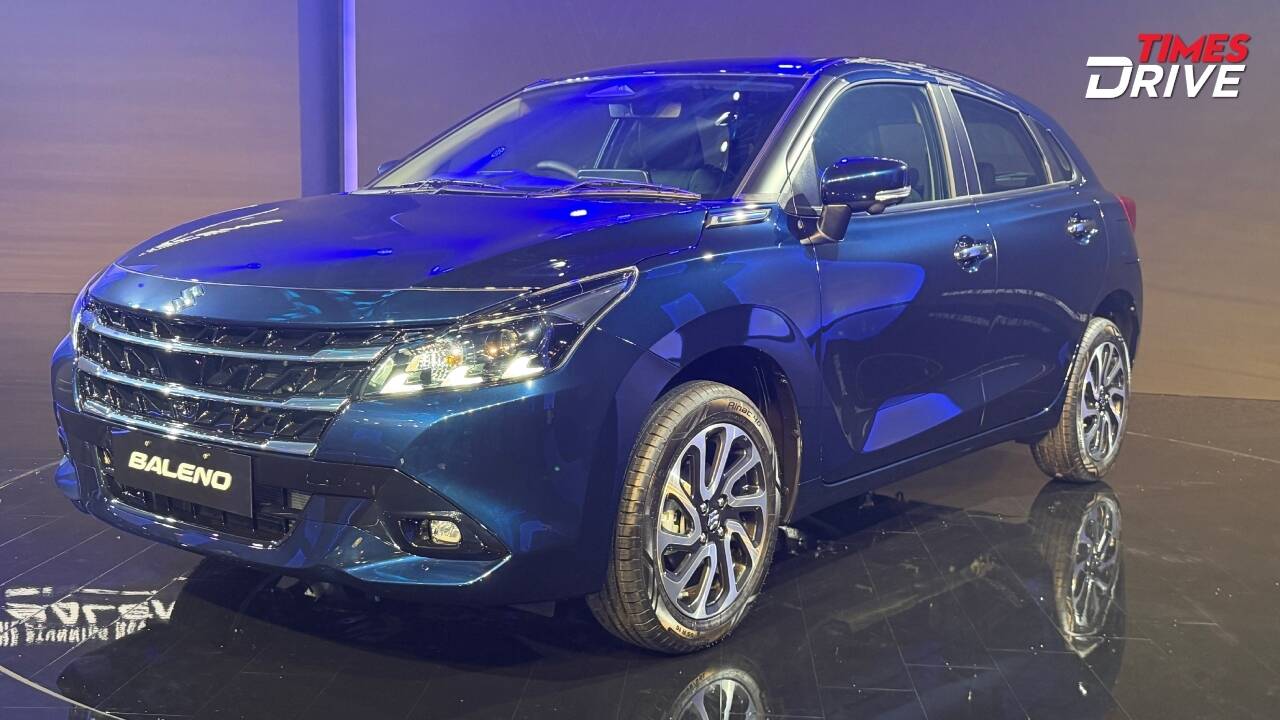
Maruti Suzuki has given its popular premium hatchback a major update for the festive season. The new Baleno facelift has been launched in India at a starting price of Rs 6.10 lakh (ex-showroom), with the introductory price available for a limited period. Along with a sharper design, the updated hatchback gets more technology, new powertrain options and, for the first time, CNG with an automatic gearbox. Here are the top five highlights about the newly launched hatchback.
1. Sharper Design with New Front-End
The biggest visual changes on the facelifted Baleno are concentrated at the front. The hatchback now gets slimmer LED headlamps and a larger grille with a new triple-slat design. The front bumper has also been redesigned with a more sculpted look.
The side profile remains largely familiar, with features such as the chrome fender garnish and shark-fin antenna carried over. At the rear, Maruti has made minor changes to the tail lamps and bumper. A new set of alloy wheels has also been added.
The facelift is available with a new Enigmatic Teal exterior colour.
2. More Features Inside the Cabin
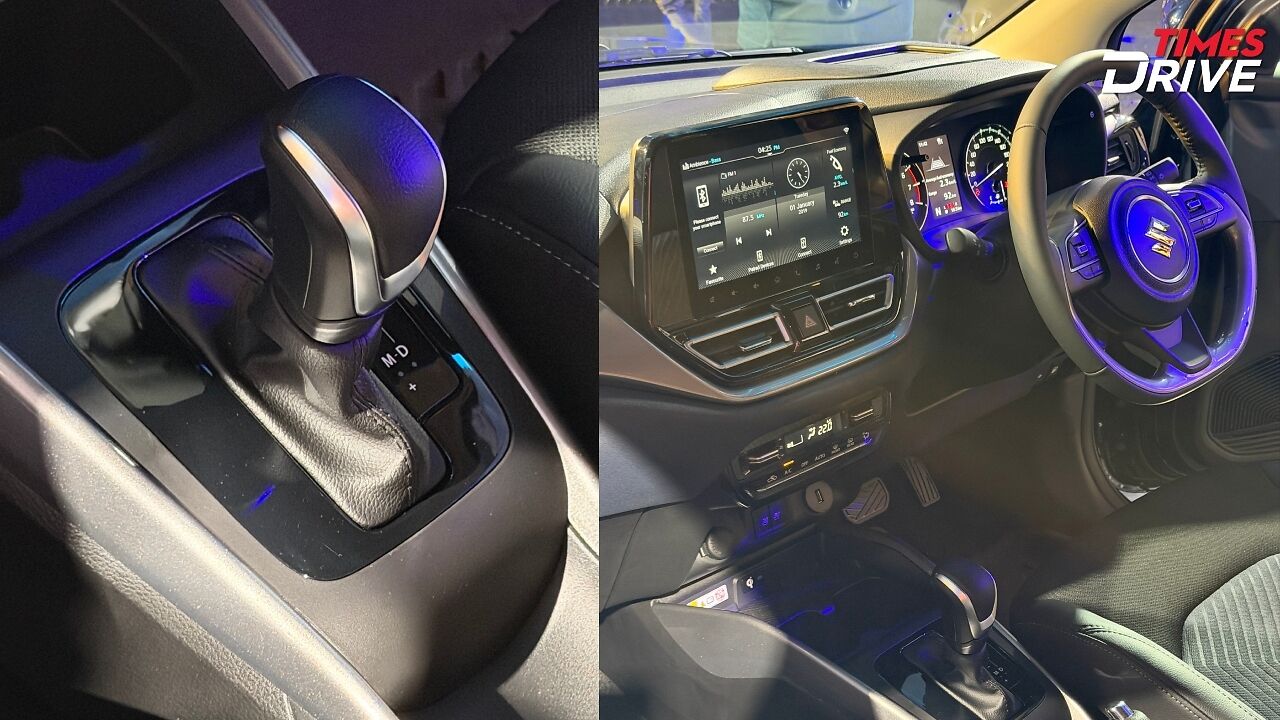
Baleno Facelift: More Features Inside the Cabin
Maruti Suzuki has made significant changes to the Baleno's equipment list. The biggest upgrade is the new 10.1-inch touchscreen infotainment system, replacing the 9-inch unit offered on the previous model. The new system supports wireless Apple CarPlay and Android Auto and is paired with a premium Clarion sound system. Other new additions include a wireless charger, ventilated front seats and Level 2 ADAS.
The safety and driver-assistance package includes features such as adaptive cruise control and lane assist. Existing features such as a Head-Up Display, 360-degree camera, automatic climate control and USB charging ports continue to be offered.
3. New Three-Cylinder Petrol Engine
The Baleno facelift gets a major change under the bonnet. The previous 1.2-litre four-cylinder K12 petrol engine has been replaced by the 1.2-litre, three-cylinder naturally aspirated Z12E petrol engine.
The same engine is already used in models such as the Maruti Suzuki Swift and Dzire. The new engine is lighter and more fuel-efficient than the outgoing unit, while Maruti also claims improved low-end torque.
Transmission options include a five-speed manual and AMT automatic gearbox.
4. Baleno CNG Gets AMT For The First Time
Another important change is the introduction of an automatic gearbox with the CNG version. The facelifted Baleno gets a CNG powertrain based on the new 1.2-litre engine, with the CNG tank positioned underneath the body.
Unlike the previous model, which offered CNG only with a manual transmission, the new Baleno CNG can also be bought with an AMT automatic gearbox. This is a first for the Baleno nameplate and could make the CNG version more convenient for buyers who primarily drive in traffic.
5. Baleno Continues To Rival Altroz and i20
The new Baleno will continue to be sold through Maruti Suzuki's NEXA retail network, with bookings now open through dealerships and the company's website.
In India, the premium hatchback continues to compete with the Tata Altroz and Hyundai i20. The Altroz remains the only car in this segment to offer a diesel engine, while the i20 is currently available with naturally aspirated petrol and turbo-petrol engines, the latter being offered with the sportier N Line.
Log in to post a comment.
End of Article
Trending
Maruti Suzuki Victoris Aurum Edition Launched in India: What's New?

Denza India Debut on November 13: D9 MPV and Z9 GT Expected

KTM Opens New Motorcycle Plant in Brazil, to Produce 10 KTM and Husqvarna Models

MoRTH Proposes New Driving Licence Rules: Colour Coding, 75% Test Score and More

Ultraviolette to Launch 4 New Electric Two-Wheelers in Next 12 Months
Updated Bajaj Pulsar NS200 Launched in India at Rs 1.60 Lakh: What’s New?
2027 Yamaha MT-125 Unveiled with New Design to Match Its Bigger Siblings
Popular


STAY UPDATED Get the latest news from Times Drive