New Delhi


1.6 Million EVs Get Incentives Under FAME-II, 7,432 Charging Stations Sanctioned
The FAME-II scheme has incentivized over 1.6 million electric vehicles since 2019 and sanctioned 7,432 public charging stations. As of February 2025, total EV registrations in India reached 56.75 lakh.

Keshav Rajput
Updated Mar 23, 2025, 09:16 AM IST
1.6 Million EVs Get Incentives Under FAME-II, 7,432 Charging Stations Sanctioned
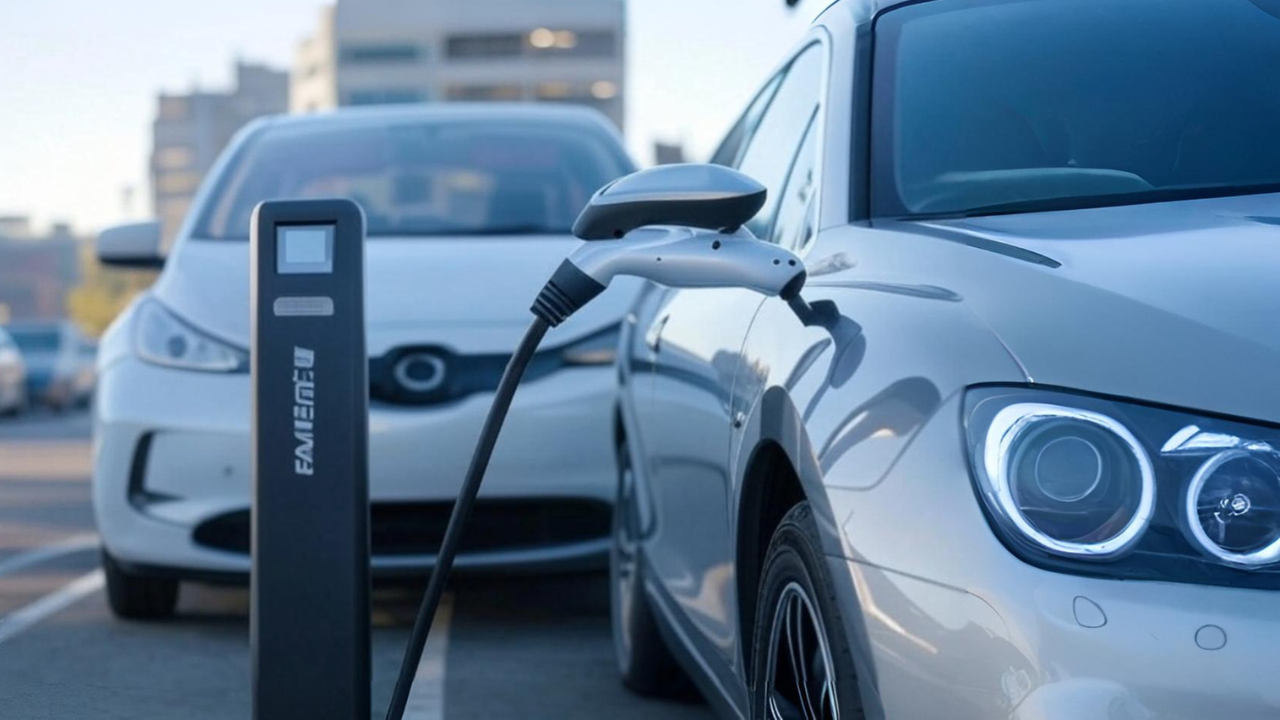
The FAME-II scheme has incentivized the adoption of more than 1.6 million electric vehicles since its launch in April 2019. Additionally, the government has sanctioned 7,432 public charging stations and multiple incentives to boost EV manufacturing in India.
In recent Parliament preceding's Ministry of Road Transport & Highways (MoRTH) declared that as on 08/02/2025 the total EVs registrations in India stood at 56.75 lakh with respect to total registered vehicles are at 3,897.71 lakhs.
Earlier in December MoRTH revealed that a total of 36,39,617 EVs were registered from April 1, 2019 to March 31, 2024 out of 10,75,31,040 total vehicle registrations showing a market share of 3.38% for the electric vehicles.
FAME-II Scheme Progress
The FAME-II scheme, introduced on April 1, 2019, with a budget of Rs 11,500 crore, promotes electric vehicle adoption in India. As of March 11, 2025, incentives have been granted for:
- 1,428,009 electric two-wheelers
- 164,523 electric three-wheelers
- 22,548 electric four-wheelers
Additionally, 6,862 electric buses were sanctioned for various cities and state transport entities, with 5,135 supplied by February 28, 2025.
Kunal Arya, Co-Founder and Managing Director of ZELIO E Mobility, said, "The FAME-II scheme has been a transformative catalyst for India's electric vehicle sector, driving significant adoption and manufacturing growth. With its commendable success in incentivizing EV purchases and expanding infrastructure, the scheme has propelled the industry to an inflection point. Moving forward, continued long-term policies will be essential to further accelerate this shift and ensure the Government of India achieves its ambitious target of 30% EV penetration by 2030."
Public Charging Infrastructure Expansion
Further, under FAME-II scheme, MHI had sanctioned Rs.800 crore in March, 2023 to three Oil marketing companies (OMCs) namely Indian Oil Corporation Ltd. (IOCL), Bharat Petroleum Corporation Ltd. (BPCL) and Hindustan Petroleum Corporation Ltd. (HPCL) for setting up 7,432 public charging stations (PCS) at their Retail Outlets (ROs) across the country. Further, MHI sanctioned an additional Rs.73.50 crore for upgradation of 980 Public Charging stations in March, 2024. In addition, 400 charging stations have also been sanctioned which were allotted through EOI to other entities in various states.
Prashant Vashishtha, Founder& Chairman, Sokudo Electric, said, "The allocation of incentives under FAME II and the sanctioning of 7,432 charging stations mark a significant leap toward accelerating India’s EV transition. At Sokudo, we firmly believe that robust government support, coupled with technological innovation, is the key to mass EV adoption. These initiatives not only make electric mobility more accessible and affordable but also lay the groundwork for a reliable charging ecosystem—two critical factors in driving consumer confidence."
Kartik Gupta, Head DTC, Ecofy & Head, Autovert, said - "The achievement of the FAME-II scheme, wherein more than 1.6 million electric vehicles have been provided with incentives and 7,432 public charging stations have been approved, reflects India's hastening shift to clean mobility. The achievement of 56.75 lakh EV registrations up to February 2025 reflects increased consumer confidence as well as the government's intention to encourage clean transportation."
Other Government Initiatives for EV Growth
- Faster Adoption and Manufacturing of (Hybrid &) Electric Vehicles in India (FAME India) Scheme Phase-II: The Government implemented this scheme for a period of five years from 1st April, 2019 with a total budgetary support of Rs 11,500 crore. The scheme incentivised e-2Ws, e-3Ws, e-4Ws, e-buses and EV public charging stations.
- Production Linked Incentive (PLI) Scheme for Automobile and Auto Component Industry in India (PLI-Auto): The Government notified this scheme on 23rd September, 2021 for Automobile and Auto Component Industry in India for enhancing India's manufacturing capabilities for
Advanced Automotive Technology (AAT) products with a budgetary outlay of Rs 25,938 Crore. The scheme proposes financial incentives to boost domestic manufacturing of AAT products with minimum 50% Domestic Value Addition (DVA) and attract investments in the automotive manufacturing value chain.
PLI Scheme for Advanced Chemistry Cell (ACC): The Government on 12th May, 2021 approved PLI Scheme for manufacturing of ACC in the country with a budgetary outlay of Rs 18,100 crore. The scheme aims to establish a competitive domestic manufacturing ecosystem for 50 GWh of ACC batteries.
- PM Electric Drive Revolution in Innovative Vehicle Enhancement (PM E-DRIVE) Scheme: This scheme with an outlay of Rs 10,900 crore was notified on 29th September, 2024. It is a two-year scheme which aims to support electric vehicles including e-2W, e-3W, e-Trucks, e-buses, e-Ambulances, EV public charging stations and upgradation of vehicle testing agencies.
- PM e-Bus Sewa-Payment Security Mechanism (PSM) Scheme: This Scheme notified on 28th October, 2024, has an outlay of Rs 3,435.33 crore and aims to support deployment of more than 38,000 electric buses. The objective of scheme is to provide payment security to e-bus operators in case of default by Public Transport Authorities (PTAs).
- Scheme for Promotion of Manufacturing of Electric Passenger Cars in India (SPMEPCI): This scheme was notified on 15th March, 2024 to promote the manufacturing of electric cars in India. This requires applicants to invest a minimum of Rs 4150 crore and to achieve a minimum DVA of 25% at the end of the third year and DVA of 50% at the end of the fifth year
Recently, Delhi government has announced key highlights of the proposed Delhi EV Policy 2.0, aiming to make 95 per cent of new vehicle registrations electric by 2027.
Under the new policy, all CNG auto-rickshaws, taxis and light commercial vehicles will be replaced by electric vehicles (EVs) in a phased manner. The policy proposes purchase incentives for electric two-wheelers, three-wheelers, e-light commercial vehicles (e-LCVs) and e-trucks. Additionally, it includes scrapping and retrofitting incentives to encourage a shift from internal combustion engine (ICE) vehicles to EVs.
Also Read


Log in to post a comment.
End of Article
Trending
VinFast VF MPV 7 EV Gets a Price Cut of Over 4 Lakh: Check New Price

Mercedes-Benz GLC EV Launched in India at Rs 78.50 Lakh: Gets 94kWh Battery, 490bhp Power

Honda Alpha EV Set to Launch in India on December 2: Expected Design, Features and Range
Hero Vida UBX 06 Electric Motorcycle Debuts at EICMA 2026: Features, Range and More
New Mini Cooper SE India Launch on November 27: Expected Price, Range, Battery, Features and More
Which Are the Most Affordable Electric Scooters in India in 2026?
How Long Do Electric Car Batteries Last in India? Life, Degradation and Warranty Explained
Popular

STAY UPDATED Get the latest news from Times Drive