New Delhi


Govt Of India Opens EV Manufacturing Scheme Portal For Global Carmakers
The Ministry of Heavy Industries has introduced a portal for the Scheme to Promote Manufacturing of Electric Passenger Cars in India, which commenced on March 15, 2024. This initiative seeks to boost local manufacturing investments in electric four-wheelers. The application window is open until October 21, 2025. Approved applicants will benefit from reduced customs duties for importing electric vehicles valued over USD 35,000. Investment guidelines, eligible expenditures, and a non-refundable application fee are outlined, along with a bank guarantee requirement for participating companies.

Keshav Rajput
Updated Jun 26, 2025, 09:48 AM IST
Govt Of India Opens EV Manufacturing Scheme Portal For Global Carmakers
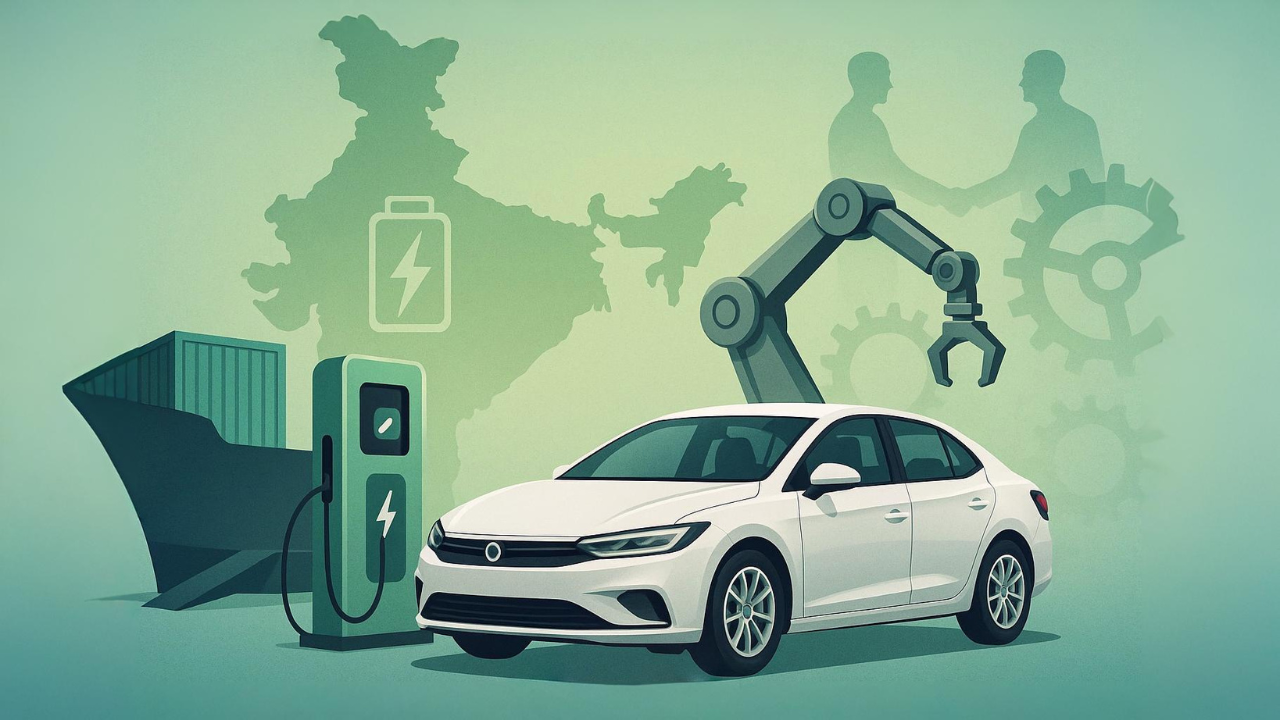
The Ministry of Heavy Industries (MHI) has launched the official portal for applications under the Scheme to Promote Manufacturing of Electric Passenger Cars in India (SPMEPCI). The scheme, first announced on March 15, 2024, is aimed at encouraging investment in local manufacturing of electric four-wheelers. The application window opened on June 24, 2025, at 10:30 a.m. and will remain open until 6:00 p.m. on October 21, 2025. Interested companies can access the portal.

People Also Search
What are the local component sourcing requirements for companies participating in the SPMEPCI scheme?
How does the PM E-DRIVE scheme complement the goals of the SPMEPCI?
What incentives does the FAME-II scheme offer to boost electric vehicle adoption?
What role does the Production Linked Incentive (PLI) scheme play in the EV sector?
How is the Indian government supporting the development of charging infrastructure for electric vehicles?
Customs Duty Benefits for Approved Applicants
Under the scheme, the approved applicants will be allowed to import Completely Built-in Units (CBUs) of e-4W with a minimum CIF value of USD 35,000 at reduced customs duty of 15% for a period of 5 years from the Application Approval Date. However, the following conditions apply:
- Only EVs with a minimum CIF value of USD 35,000 are eligible.
- Imports will be capped at 8,000 units annually. Unused annual quotas can be carried over.
- The total duty benefit is limited to the lower of Rs 6,484 crore or the actual investment made by the applicant.
- The investment must be at least Rs 4,150 crore.
- Imported EVs must eventually align with domestic value addition (DVA) goals, which will be certified by testing agencies approved by MHI.
Investment Guidelines and Eligible Expenditure
The scheme permits investment in both new and brownfield manufacturing facilities, with the following provisions:
- Investment must be clearly demarcated from any existing manufacturing units in case of brownfield expansion.
- Eligible expenditure includes plant and machinery, associated utilities, and engineering R&D.
- Land cost will not be counted. However, buildings related to the main plant and utilities may be included up to 10% of the committed investment.
- Spending on charging infrastructure will be counted up to 5% of the investment.
Application Process and Fees
A non-refundable fee of Rs 5,00,000 is applicable per application. While the current window will remain open for 120 days, the ministry retains the right to open new application cycles until March 15, 2026. Official notices will be made available on the MHI website.
Akshit Bansal, Founder & CEO, Statiq, said, "The launch of the application portal under the SPMEPCI scheme is a landmark moment for India’s electric mobility ecosystem. By welcoming global EV manufacturers to invest and manufacture in India, this initiative will significantly accelerate the growth of the domestic EV market and drive healthy competition. For consumers, this means access to a wider range of world-class electric vehicles, more advanced technology, and competitive pricing—all of which will make EV adoption more attractive and accessible than ever before."
Bank Guarantee Requirement
Companies looking to set up factories under this scheme needs to put up a Bank Guarantee from an Indian bank. This guarantee must cover either all the taxes they save or Rs 4,150 crore, whichever amount is bigger. It's a safeguard to make sure they stick to their promises, and it has to stay in place for as long as the plan runs.
Vivek Datta, MD & CEO, Globe Toyota, A JCBL Group Company, said, “While the push for full electrification is essential, India’s transition needs to reflect on-the-ground realities. Hybrid and plug-in hybrid vehicles offer a more immediate, scalable solution, balancing sustainability with the practicality our roads demand. With infrastructure developing, HEVs will be the determining factor in closing the gap between ambition and day-to-day mobility."
Also Read

Log in to post a comment.
End of Article
Trending

MG Cyberster, M9 Get BaaS Option: Check New Prices
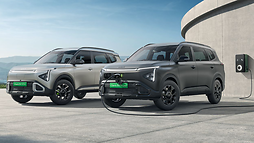
Kia Carens Clavis EV Gets 15 Years Unlimited Kilometers Battery Warranty in India
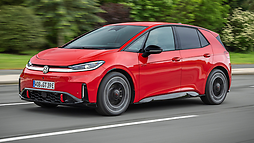
Volkswagen ID.3 GTI Debuts with 322Bhp Powertrain, Becomes the Most Powerful GTI Model Ever
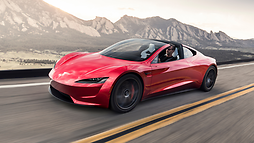
Next-Gen Tesla Roadster Global Debut on October 1; Will Elon Musk’s Claim of Fastest Accelerating Car in the World Stand?
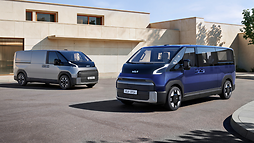
Kia PV7 Electric MPV Debuts Globally with 460+ km Claimed Range
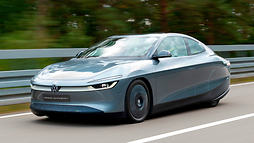
Volkswagen Mission Efficiency Concept EV Debuts with Solar Roof Adding 30Km of Daily Range
Made-in-India for Japan: Maruti Suzuki Jimny, Fronx and e Vitara Exports Cross 1 Lakh Milestone
STAY UPDATED Get the latest news from Times Drive