New Delhi


Mercedes-Benz Recalls EQB SUVs Over High-Voltage Battery Fire Risk
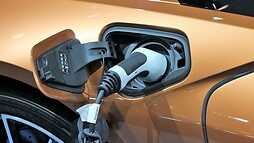
Mercedes-Benz USA has issued a recall for 7,362 units of its EQB electric SUVs from model years 2022 to 2024 due to a potential fire risk associated with the high-voltage battery. The recall affects EQB 250, EQB 300 4MATIC, and EQB 350 4MATIC models manufactured between December 2021 and January 2024. Owners are advised to limit battery charging to 80% until a software update is applied.

Keshav Rajput
Updated Feb 10, 2025, 05:49 PM IST

Mercedes-Benz Recalls EQB SUVs Over High-Voltage Battery Fire Risk
Models Affected
- EQB 250 (2022-2024): 2,636 units
- EQB 300 4MATIC (2022-2024): 3,311 units
- EQB 350 4MATIC (2022-2024): 1,415 units
Issue Description
According to the report filled by Mercedes to NHTSA said, Due to the combination of certain production and vehicle use conditions, an internal short circuit of a battery cell in the high-voltage battery might occur, which could lead to the risk of a fire. If a thermal incident were to occur during driving, the driver would be made aware of the issue by a high-voltage battery warning malfunction message in the instrument cluster. Should the thermal incident occur while the vehicle is parked, the driver would not receive a warning
Remedy and Customer Guidance
To deal with the issue Mercedes-Benz dealers will update the battery management system software to enhance safety. Until the update is available, customers are advised to restrict charging to a maximum of 80% state of charge. The company will begin notifying dealerships on February 7, 2025, with owner notifications scheduled before April 1, 2025.
Background and Investigation
Reports of fire incidents emerged outside the U.S. in 2023 and 2024, prompting Mercedes-Benz AG to investigate. The company collaborated with Chinese authorities, where most incidents were reported, and conducted thorough analyses with the battery supplier. Although no single root cause was identified, findings suggested that specific production conditions, combined with external environmental factors, contributed to the risk.
Also Read


Log in to post a comment.
End of Article
Trending
VinFast VF MPV 7 EV Gets a Price Cut of Over 4 Lakh: Check New Price
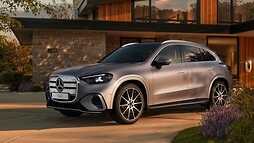
Mercedes-Benz GLC EV Launched in India at Rs 78.50 Lakh: Gets 94kWh Battery, 490bhp Power

Honda Alpha EV Set to Launch in India on December 2: Expected Design, Features and Range
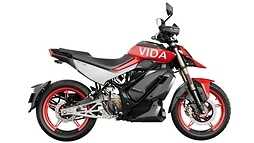
Hero Vida UBX 06 Electric Motorcycle Debuts at EICMA 2026: Features, Range and More
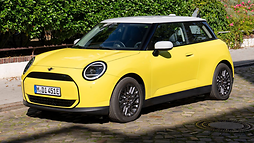
New Mini Cooper SE India Launch on November 27: Expected Price, Range, Battery, Features and More
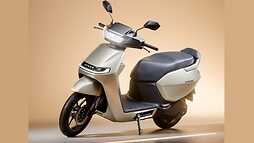
Which Are the Most Affordable Electric Scooters in India in 2026?
How Long Do Electric Car Batteries Last in India? Life, Degradation and Warranty Explained
Popular
STAY UPDATED Get the latest news from Times Drive