New Delhi


India May Have 5 Crore End-of-Life Vehicles by 2030: NITI Aayog Report
India’s vehicle scrappage system is not keeping pace with the rising number of end-of-life vehicles. A new NITI Aayog report highlights infrastructure gaps, reliance on informal scrapping and the scale of material recovery at stake.

Keshav Rajput
Updated Jan 29, 2026, 11:40 AM IST
India May Have 5 Crore End-of-Life Vehicles by 2030: NITI Aayog Report
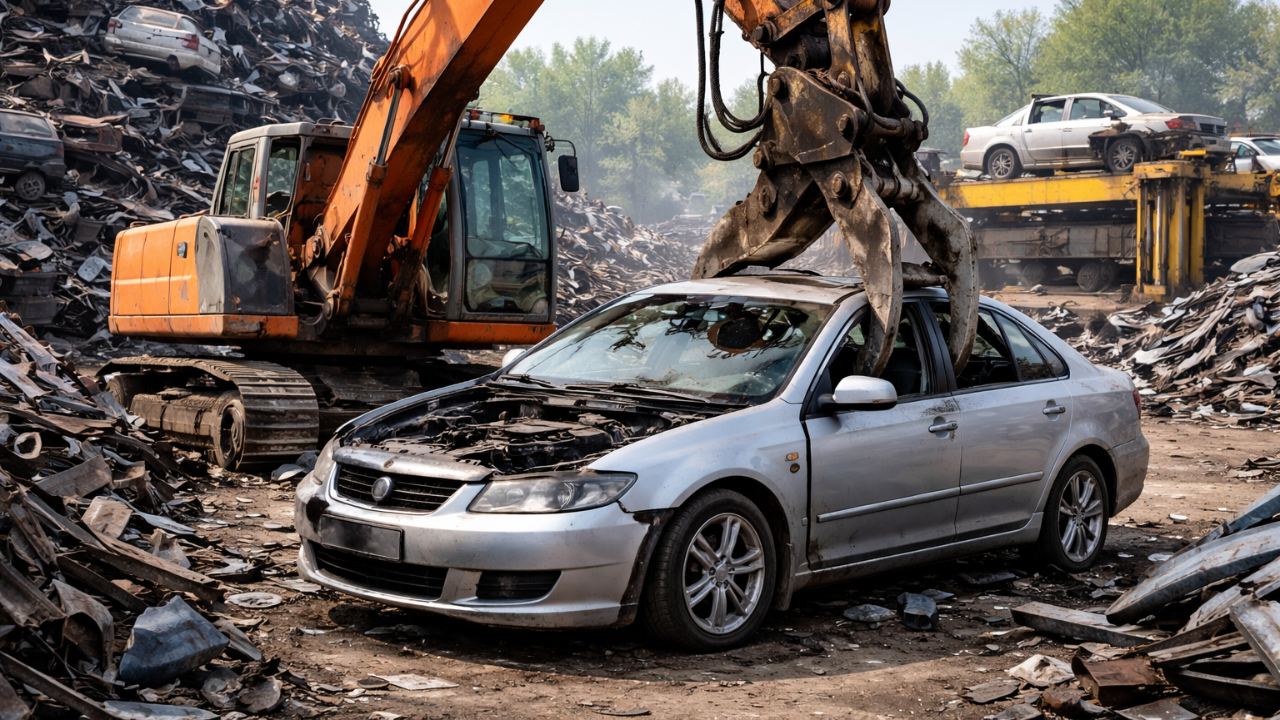
India adds over 2 crore vehicles each year, increasing the number of vehicles reaching the end of their usable life. According to a NITI Aayog report published in January 2026, India had approximately 10 million ELVs in circulation in 2020. The cumulative number of ELVs is expected to increase to nearly 23 million by the end of 2025 and is projected to reach close to 50 million by 2030."

People Also Search
What are the implications of the End-of-Life Vehicles (ELV) Rules 2025 for vehicle manufacturers in India?
How does the Vehicle Scrapping Policy incentivize vehicle owners to scrap their old vehicles?
What challenges does the informal vehicle scrapping sector present to the organized scrapping ecosystem in India?
What role does the Central Pollution Control Board (CPCB) play in the implementation of the ELV Rules?
How are state governments like Haryana supporting vehicle scrappage and recycling initiatives?
The report notes that older vehicles contribute to higher emission levels. Data cited in the report shows that pre-BS VI vehicles emit up to eight times more pollutants per kilometre than BS VI vehicles.
Role of Informal Vehicle Scrapping
Most ELVs in India are dismantled by the informal sector. These operations usually do not follow processes for handling fuels, batteries, refrigerants and other regulated materials.
The report states that informal scrappers often offer Rs 15,000 to Rs 20,000 more for a mid-size passenger vehicle than registered scrapping facilities. This difference, along with shorter processing time, influences vehicle owners. Informal scrapping does not provide certificates required for deregistration or access to incentives.
Status of Testing and Scrapping Infrastructure
As of September 2025, India had 156 Automated Testing Stations (ATS) operating across 16 states and Union Territories. Most of these stations are located in a few states. Based on the number of vehicles and testing rules, the report says around 500 ATS will be required by 2027, which shows a gap in availability.
The number of Registered Vehicle Scrapping Facilities (RVSFs) has gone up, but many of them are not being used fully. This is mainly because fewer vehicles are coming in for scrapping and many owners continue to use informal scrappers.
Material Recovery and Emission Impact
End-of-life vehicles contain materials that can be reused. The report estimates that vehicles made between 2005 and 2023 could provide about 98 million tonnes of steel. Using this recycled steel could help cut around 43 million tonnes of CO₂ emissions.
To increase recycling, the Extended Producer Responsibility (EPR) rules notified in 2025 require vehicle manufacturers to meet steel recycling targets. These targets start at 8% between 2025 and 2030 and increase to 18% from 2035 onwards.
Policy Gaps Highlighted
The report identifies four main issues affecting the ELV ecosystem: limited testing and scrapping infrastructure, weak financial viability of authorised scrappers, complex deregistration processes and low consumer awareness.

Log in to post a comment.
End of Article
Trending

Hero Xpulse 421 Teased Ahead of EICMA 2026 Debut; India Launch Expected in 2027

Hyundai Registers Over 16 Percent Growth in Car Sales for October 2026

Mahindra Posts Over 2 Percent Growth in Monthly Car Sales for October 2026
Maruti Suzuki Records Over 20 Percent Growth in Car Sales for October 2026

New Mini Cooper SE India Launch on November 27: Expected Price, Range, Battery, Features and More

Toyota Innova Hycross Facelift Launched in Indonesia, India Debut Expected Soon

Range Rover SV Sawai Collection Unveiled in India at Rs 4.90 Crore
Popular



STAY UPDATED Get the latest news from Times Drive