New Delhi


New EV Policy Approved for Delhi: Here's How it Impacts Passenger and Commercial Vehicle Registrations
The Delhi Cabinet has approved a new Electric Vehicle (EV) Policy aimed at promoting electric mobility. Effective from July 1, 2026, this policy includes purchase incentives and tax exemptions for electric vehicle buyers for cleaner mobility solutions.

Atul Bandhu
Updated Jun 29, 2026, 10:34 PM IST
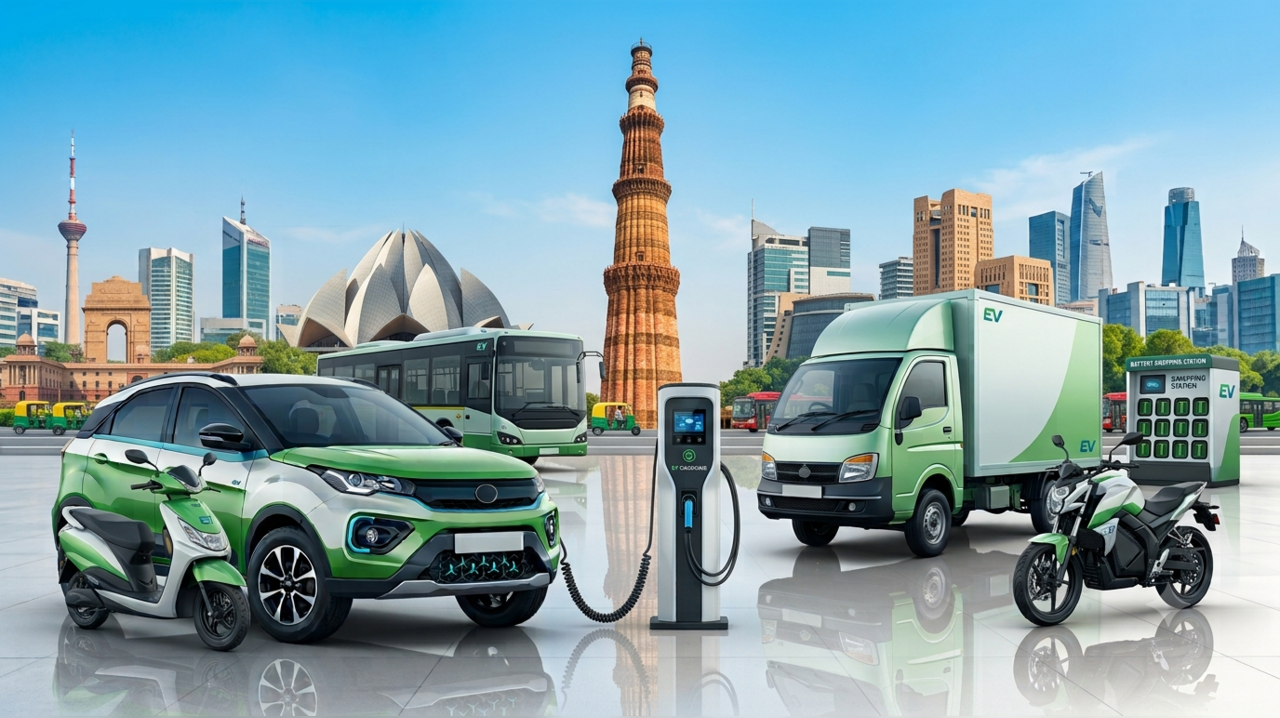
New EV Policy Approved for Delhi: Here's How it Impacts Passenger and Commercial Vehicle Registrations (AI Generated Image for representation only)
In a recent update it has come to light that the Delhi Cabinet has approved a new Electric Vehicle (EV) Policy. With this new policy the authorities have outlined a roadmap to accelerate electric mobility in New Delhi while gradually restricting registrations of petrol, diesel and CNG-powered vehicles across multiple segments. Delhi’s new EV policy is set to come into effect from July 1st 2026 and is scheduled to remain effective till March 31th 2030. The new EV policy is backed by an investment of about Rs 15,000 crore.
The new EV policy of Delhi impacts both private vehicle buyers and commercial vehicle operators, with phased timelines for ending registrations of internal combustion engine (ICE) vehicles in select categories. It also introduces purchase incentives, scrappage benefits and tax exemptions to encourage EV adoption.
How Will Delhi’s New EV Policy Impact Passenger Car Registrations?
Under this new EV policy private buyers looking to buy electric cars priced up to Rs 30 lakh (ex-showroom) will continue to receive a complete exemption from road tax and registration charges. The government has also announced a scrappage incentive of Rs 1 lakh for eligible car owners replacing older vehicles with new electric cars, however this condition remains subject to policy conditions.
How Will Delhi’s New EV Policy Impact Passenger Two-Wheeler Registrations?
The policy also targets the two-wheeler segment. From April 1st 2028, registration of new petrol and CNG-powered motorcycles and scooters will stop in New Delhi. This implies that only electric two-wheelers will be the only option for customers for new registrations in the national capital. Under this policy buyers of electric two-wheelers can receive purchase incentives of up to Rs 50,000 during the first year of the policy, in addition to the existing tax benefits.
How Will Delhi’s New EV Policy Impact Passenger Commercial Vehicle Registrations?
The commercial mobility segment will witness the earliest transition under the new EV policy. From January 1st 2027, only electric auto-rickshaws will be eligible for fresh registration in Delhi. Under this policy even the existing CNG three-wheelers reaching the end of their permit validity will also be required to transition to electric. The policy further highlights the gradual shift towards the electrification of commercial fleets, including delivery vehicles, goods carriers and public transport.
How Will Delhi’s New EV Policy Impact Charging Infrastructure?
The new EV policy approved for Delhi also lays emphasis on expanding EV charging infrastructure and EV battery-swapping stations across the city to support commercial EV and passenger mobility operations.
Log in to post a comment.
End of Article
Trending

Suzuki GSX-8R Gets Rs 80,000 Discount: Effective Price Drops to Rs 9.08 Lakh
BMW iX3 M60 xDrive Electric SUV Debuts with 754 Km Claimed Range

Ducati DesertX V2 Teased: Launch Expected Later This Year

Mini Cooper Oxford Edition Bookings Open Ahead of India Launch
Porsche Macan Petrol Return Confirmed for 2028, EV-Only Strategy Reversed

BMW iX4 Revealed: New Electric Coupe SUV Gets 611bhp Engine and AWD
Electric Car Sales Surge in India: Market Share Touches 8.5 Percent in September 2026
Popular


STAY UPDATED Get the latest news from Times Drive