New Delhi


Brake The Habit: Don’t Block Emergency Lanes, They are Lifelines, Not Shortcuts
India's rapid infrastructure development includes expanding road networks with emergency vehicle lanes. Unfortunately, many drivers misuse these lanes during heavy traffic, impeding ambulances and other emergency services, which can severely impact response times crucial for saving lives. This issue is prevalent on major expressways, where blocked lanes force emergency vehicles to navigate through traffic dangerously. To address this, India should consider implementing a system similar to Germany's "rescue corridor," coupled with awareness campaigns and strict penalties to ensure compliance and prioritize public safety.

Times Drive Desk
Updated Nov 20, 2025, 04:13 PM IST
Brake The Habit: Don’t Block Emergency Lanes, They are Lifelines, Not Shortcuts
India is developing at a rapid pace as its road networks along with its other transportation systems continue to evolve. While the expansion of highway network includes dedicated lanes for emergency vehicles to operate on, drivers often treat them as an open lane to get past stretches with heavy traffic density.

People Also Search
What are the potential consequences of tailgating on Indian roads?
How does the lack of lane discipline contribute to road accidents in India?
What safety measures can be taken to prevent accidents at railway level crossings?
What role do indicators play in enhancing road safety?
What are the dangers of using footpaths for two-wheeler riders?
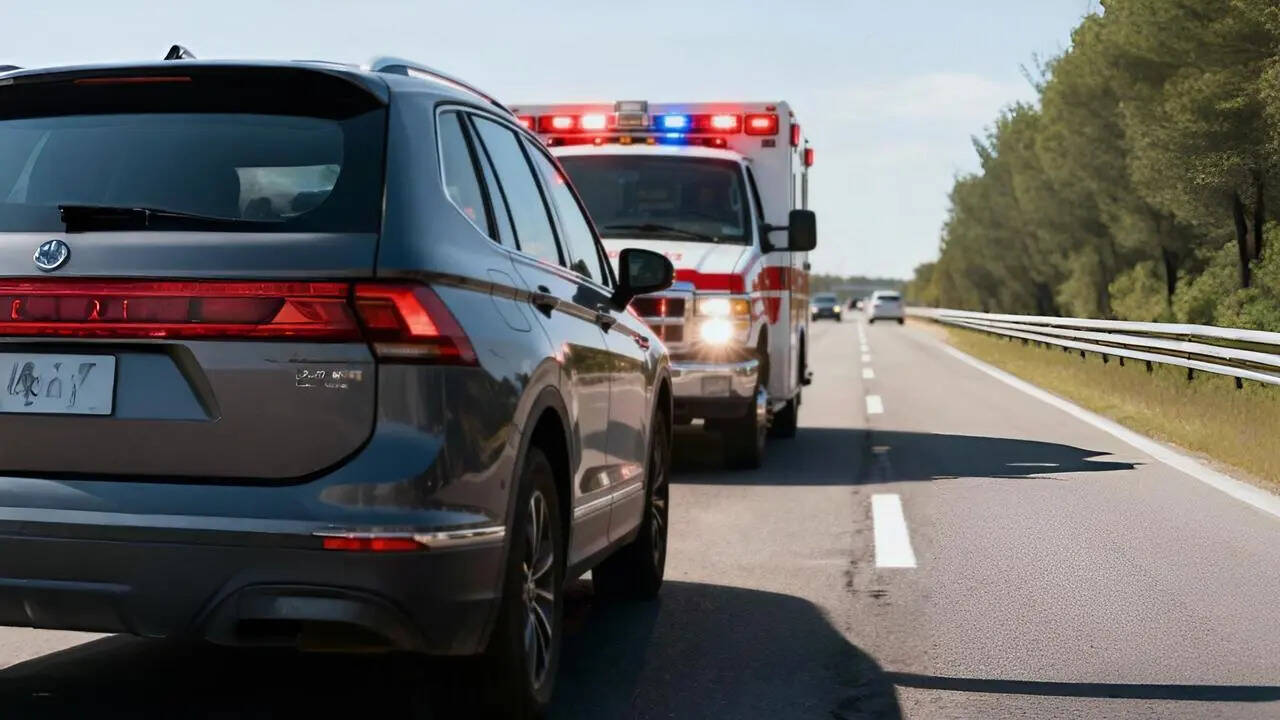
These corridors are reserved for ambulances, highway patrols, and breakdown assistance in cases of emergency to reach the spot in the least amount of time possible. The occupancy of these lanes slows traffic, clogging lanes meant to save lives. An ambulance delayed by even five minutes can be the difference between survival and tragedy, especially in trauma and cardiac cases.
Emergency lanes exist for one purpose: response time. However, blocked emergency lanes lead to emergency vehicles like an ambulance or a patrol car to dangerously weave through traffic, increasing delay and danger.
Moreover, this behaviour remains rampant on major expressways of the country including Yamuna, Mumbai-Pune, and Bengaluru-Mysuru, among others. Not only that but the drivers justify it as a temporary shortcut to cut through traffic, unaware of the life-altering implications.
Beyond medical emergencies, these lanes assist fire services, police chases, stalled vehicle recovery, and road-maintenance teams. A blocked lane delays everyone’s safety ecosystem, not just patients.
Also Read
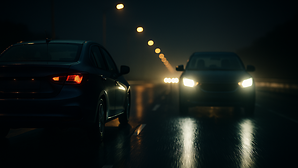
Countries such as Germany enforce the Rettungsgasse system—where drivers automatically form a “rescue corridor” during congestion. While Germany has its own system, India needs to devise something similar in order to generate awareness among its drivers. Learning drivers should be made aware of situation's gravity allowing them to move out of the way if an emergency vehicle is approaching with their sirens on. Notably, awareness campaigns backed by enforcement: heavy fines, camera monitoring, and towing for violators, should be run nation wide.
Ambulance, patrol cars and other emergency vehicles should have a dedicated lane of their own. Roads serve everyone, but emergency lanes serve those who need them most.
Log in to post a comment.
End of Article
Trending

BMW F 450 RR Revealed: Gets 48hp Engine, Sporty Design and Advanced Safety Features

Maruti Suzuki Brezza Facelift Crosses 1 Lakh Bookings in India

BS7 Emission Norms Proposed for April 2029: What Can Change for Cars in India?

Maruti Suzuki Brezza Crosses 15 Lakh Sales Milestone in India

BSA Gold Star 650 Gets Two New British Heritage-Inspired Colour Options in India

Ferrari Luce EV to Debut in India on October 17 with 1,050PS Power and 530 km Range

Mahindra XUV 3XO CNG Launched in India: Top 5 Highlights
Popular





STAY UPDATED Get the latest news from Times Drive