New Delhi


Brake The Habit: High Speed X Curvy Mountain Roads, A Fatal Concoction You Need To Stay Clear Of
Driving on mountain roads can be peaceful, but speeding poses significant dangers, leading to fatalities. Brake the Habit emphasizes the importance of disciplined driving strategies to ensure safety. Drivers should adhere to speed limits, especially on curves and unfamiliar areas, while actively scanning for hazards. Utilizing engine braking on steep descents prevents brake failure. Maintaining focus and avoiding distractions is crucial, as is ensuring vehicle maintenance. Additionally, recognizing mental fatigue and taking breaks is essential for safe navigation through challenging mountainous terrain.

Saptak Bardhan
Updated Nov 16, 2025, 09:34 PM IST
Brake The Habit: High Speed X Curvy Mountain Roads, A Fatal Concoction You Need To Stay Clear Of
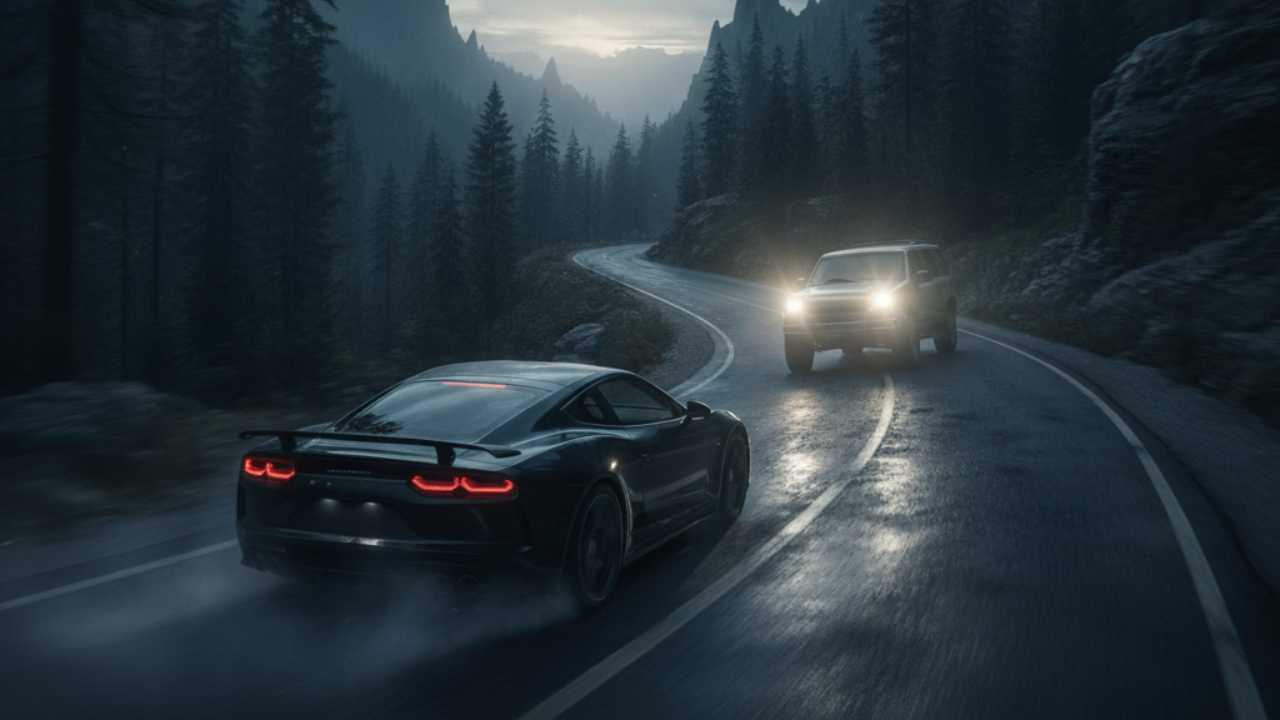
Mountain roads are some of the most serene passes to drive on. However, speeding can turn these serene passes into one of the most violent forces of nature. Speed-related fatalities have been high up on the list, especially when it comes to mountain passes.

People Also Search
What are the consequences of using footpaths for two-wheeler riders?
How does lane discipline impact road safety?
What is the correct way to use hazard lights during heavy rain?
What are the dangers of wrong-side driving on busy roads?
Why is it important to avoid using mobile phones while driving?
Brake the Habit wants the fatal concoction of high speed and curvy mountain roads to be highlighted and avoided as much as possible. The key to avoiding such fatalities usually lies in adopting disciplined driving strategies. These precautionary measures ensure maintaining control and maximising reaction time along with respect to the unique hazards of mountainous terrain.
Follow the Speed Limit
Drivers must proactively reduce their speed far below the limits they might feel comfortable with on flat highways. Often, the speed limits are the absolute maximum, and exceeding these limits can result in fatality or severe injuries. It is imperative to keep a slow pace on blind curves or unfamiliar stretches.
In addition to that, proactive scanning allows a driver to anticipate upcoming turns, spot hidden hazards like debris or oncoming traffic, and adjust speed and steering input smoothly, rather than reacting abruptly, which can be not only dangerous to the driver but also to oncoming traffic.
Engine Braking can be a Life Saver
When descending steep grades, excessive use of the foot brake can cause them to overheat and fail, a phenomenon known as brake fades. Drivers should use engine braking by downshifting to a lower gear, thereby using the natural resistance of the engine to slow the vehicle down further helping to control speed without over-relying on the friction brakes.
Keeping Focus is Imperative
Simultaneously, maintaining complete focus is non-negotiable; the driver must stay focused and eliminate all forms of distraction, especially mobile phones. Critical components like tires must have sufficient tread depth for grip on uneven or wet surfaces, and your brakes must be in optimal working order. Furthermore, on narrow mountain roads, courteous driving is a matter of safety. Be prepared to yield to oncoming traffic, especially larger vehicles or those struggling to navigate tight turns. Slowing down or pulling over slightly shows respect for shared road space and prevents potentially dangerous stalemates or forced manoeuvres.
Mental Fatigue is Real
Long, winding drives are mentally exhausting, and pushing through fatigue or discomfort is a road to accidents, owing to impaired judgment and delayed reaction times. A feeling of tiredness and tension should not be ignored. The driver should pull over in a safe spot and take a break. Prioritising rest ensures the return to the wheel, alert and capable of handling the demanding environment of the mountain road.
Log in to post a comment.
End of Article
Trending
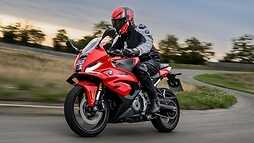
BMW F 450 RR Revealed: Gets 48hp Engine, Sporty Design and Advanced Safety Features

Maruti Suzuki Brezza Facelift Crosses 1 Lakh Bookings in India
BS7 Emission Norms Proposed for April 2029: What Can Change for Cars in India?

Maruti Suzuki Brezza Crosses 15 Lakh Sales Milestone in India
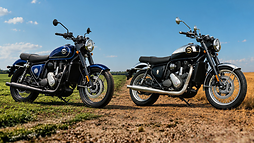
BSA Gold Star 650 Gets Two New British Heritage-Inspired Colour Options in India

Ferrari Luce EV to Debut in India on October 17 with 1,050PS Power and 530 km Range

Mahindra XUV 3XO CNG Launched in India: Top 5 Highlights
Popular





STAY UPDATED Get the latest news from Times Drive