New Delhi


Brake The Habit: Indicators Before Manoeuvres- Not Mid-Turn, Not After
Indicators are crucial for communication among drivers, yet their usage has diminished on Indian roads, leading to dangerous situations for pedestrians and other motorists. Many drivers fail to signal their intentions, resulting in accidents where pedestrians are often caught off guard. Common mistakes include signaling after changing lanes and relying on hand signals without adequate visibility. Proper signaling should be anticipatory and consistent. Emphasizing the importance of indicators could enhance road safety, ensuring predictability and reducing accidents for all road users.

Times Drive Desk
Updated Nov 20, 2025, 06:05 PM IST
Brake The Habit: Indicators Before Manoeuvres- Not Mid-Turn, Not After
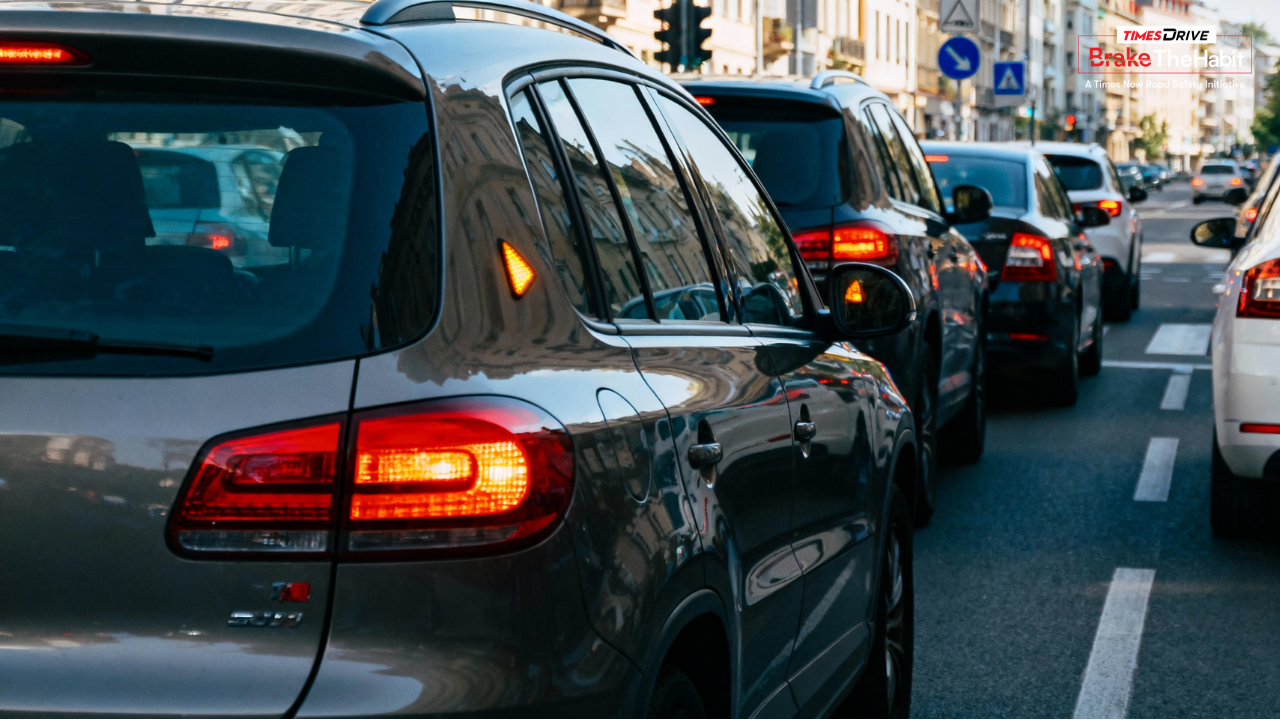
Indicators often act as the official language of the road, communicating with other drivers about a driver's next move. However, Indian roads have made them feel obsolete, with drivers switching lanes at a moment's notice or cutting from right lane to the left in one swift move. Lack of communication can result in arguments when it comes to humans, however, on the road, this miscommunication can cause more than bodily or emotional harm.

People Also Search
What are some common misconceptions about using hazard lights while driving?
How does tailgating impact overall traffic flow and safety?
What are the dangers of wrong-side driving and its impact on road safety?
What role does lane discipline play in preventing road rage incidents?
How can drivers effectively break the habit of using footpaths for two-wheelers?
One of the major victims of these crashes are pedestrians with cars charging at high speed without indication of their next move, pedestrians are caught in the act like a 'deer in headlights'. They don't know how or when to make the next move, and a few seconds later, a tragedy hits the scene of the accident.
Two-wheelers are sometimes the victims but sometimes the perpetrators when it comes to changing signals without indication. They often cause crashes but have their fair share of crashes as well. The most common mistake is using indicators while turning rather than before changing course. By then, the vehicle behind has already reacted based on guesswork, not information. Signalling must be anticipatory, not reactive. A good benchmark: indicate at least three seconds before turning or switching lanes.
Another widespread issue is over-reliance on hand signals, especially among riders at night. Hand signals have their place, but without proper illumination they become nearly invisible and dangerous. Conversely, some drivers leave indicators flashing for minutes, creating false cues that mislead others, especially on highways.
Also Read

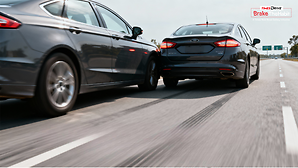
Indicators also don’t replace hazard lights. Many drivers use hazards as poor substitutes for signalling while changing lanes or driving in rain. Hazards should only be used when the vehicle is stationary and poses a risk—not while moving.
Few benefits of correct signalling include predictability as it reduces panic braking, and maintains lane discipline. Fleet operators and driving schools must emphasise indicators as core safety behaviour, not an optional courtesy.
Driving is a social act. Predictability protects everyone. Use indicators early, accurately, and responsibly.
Log in to post a comment.
End of Article
Trending

BMW F 450 RR Revealed: Gets 48hp Engine, Sporty Design and Advanced Safety Features

Maruti Suzuki Brezza Facelift Crosses 1 Lakh Bookings in India

BS7 Emission Norms Proposed for April 2029: What Can Change for Cars in India?

Maruti Suzuki Brezza Crosses 15 Lakh Sales Milestone in India

BSA Gold Star 650 Gets Two New British Heritage-Inspired Colour Options in India

Ferrari Luce EV to Debut in India on October 17 with 1,050PS Power and 530 km Range

Mahindra XUV 3XO CNG Launched in India: Top 5 Highlights
Popular





STAY UPDATED Get the latest news from Times Drive