New Delhi


E85, E100 Fuel Draft Norms Issued; Next Phase of India’s Ethanol Plan Under Review
MoRTH has proposed amendments to the Central Motor Vehicles Rules to allow for higher ethanol-blended fuels, specifically E85 and E100. Although there is currently no immediate impact on consumers, manufacturers must prepare for future flex-fuel powertrains.

Atul Bandhu
Updated Apr 30, 2026, 03:25 PM IST

E85, E100 Fuel Draft Norms Issued; Next Phase of India’s Ethanol Plan Under Review
The Ministry of Road Transport and Highways (MoRTH) has released a draft notification proposing amendments to the Central Motor Vehicles Rules (CMVR), 1989, to introduce higher ethanol-blended fuels, including E85 and E100. Issued by the Ministry of Road Transport and Highways, the proposal is currently open for public feedback before a final notification is published. This marks the next step in India’s ethanol roadmap after the nationwide rollout of E20 fuel in April 2025.

People Also Search
What is the significance of flex-fuel vehicles for E85?
How does E20 fuel impact vehicle performance?
What are the environmental benefits of ethanol blending?
What role does feedstock diversification play in ethanol production?
What are the economic impacts of the ethanol blending program?
Revised Fuel Classification Detailed
The draft sets out a revised fuel classification structure to include higher ethanol blends. Petrol nomenclature is proposed to move from E10/E to E10/E20, while E85 and E100 are to be formally defined within the regulatory framework.
Biodiesel classification is also set to expand from B10 to B100. In parallel, hydrogen fuel terminology is proposed to be updated from “Hydrogen + CN” to “Hydrogen + CNG”. The draft also standardizes emission testing parameters and technical definitions.
A separate regulatory change includes increasing the gross vehicle weight threshold from 3,000 kg to 3,500 kg in select vehicle categories.
E20 Baseline, E85 Next
India completed the rollout of E20 fuel in 2025, ahead of its earlier 2030 target. The shift towards E85 and E100 follows this milestone and is aligned with efforts to reduce crude oil imports and manage supply-side risks linked to global developments.
Official estimates indicate that ethanol blending has already contributed to a reduction in crude oil consumption and foreign exchange outgo, while also supporting domestic agricultural supply chains.
What It Means For Vehicles
At present, there is no change for buyers, as E20 remains the standard fuel. However, the draft points to a gradual move towards flex-fuel powertrains.
Vehicles manufactured after April 2023 are E20-compliant. Transitioning to E85 or E100 will require re-engineering of engines, fuel delivery systems and materials due to ethanol’s chemical properties, including higher moisture absorption and corrosion risk.
For existing vehicles, especially older models, higher ethanol blends may result in reduced fuel efficiency and increased component wear. Some manufacturers have introduced E20 compatibility kits, but E85 readiness will require more extensive changes.
Infrastructure Requirements
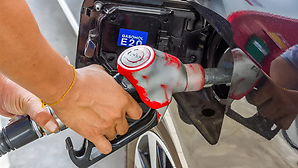
The rollout of E85 will also depend on fuel distribution upgrades. Retail outlets will need additional storage and dispensing infrastructure to handle multiple fuel grades, including E20, E85 and conventional petrol.
Ethanol-blended fuels also have lower energy density compared to petrol, which can affect fuel efficiency. This remains a key consideration for both consumers and manufacturers, particularly in the absence of any announced fiscal incentives.
Also Read



Log in to post a comment.
End of Article
Trending
Royal Enfield Flying Flea S6 Electric Unveiled at EICMA 2026, Launch in 2027

Royal Enfield Continental GT 750 Unveiled at EICMA 2026; Gets 743cc Engine, Faired and Unfaired Versions
Ducati Unveils Five New Motorcycles at EICMA 2026, Diavel V4 S and DesertX Rally Among Highlights
Royal Enfield Himalayan 750 Makes Global Debut at EICMA 2026; India Launch Soon?
2027 Harley-Davidson Sprint 440 Breaks Cover Ahead Of EICMA 2026 Debut; Will it Come to India?

Norton 450 Urban Roadster Revealed Ahead of EICMA 2026 Debut
Hero Xpulse 421 Teased Ahead of EICMA 2026 Debut; India Launch Expected in 2027
Popular
STAY UPDATED Get the latest news from Times Drive
You May Also Like You May Also Like